Today we’re diving into the delicious realm of Korean cuisine with a keto twist. Say hello to Keto Doenjang Braised Pork Belly, a dish that combines the rich flavors of succulent pork belly with the goodness of doenjang paste.
As keto enthusiasts, we know that certain ingredients offer unique benefits for our low-carb lifestyle, and this recipe showcases two of them.
Keto Doenjang Braised Pork Belly
This recipe is a true delight for the taste buds, offering a spicy stew packed with essential amino acids, minerals, and vitamins.

Doenjang Soyabean Paste and Keto
Doenjang is a traditional fermented soybean paste that holds a significant place in Korean cuisine. It is one of the essential ingredients used to add depth and complexity to many Korean dishes. With a history dating back thousands of years, doenjang has become a staple in Korean households and plays a vital role in their culinary traditions.
Making doenjang involves fermenting soybeans with salt and sometimes includes grains such as barley or rice. The mixture is left to ferment for an extended period, usually several months to years.
During fermentation, various microorganisms, including bacteria and yeast, transform the soybeans into a rich and flavorful paste. The resulting doenjang carries a distinct taste and a complex aroma that works perfectly for meat dishes.
Doenjang is known for its nutritional benefits, as it is packed with essential amino acids, vitamins, and minerals. It is a valuable source of protein and offers a range of health benefits, including improved digestion and immune system support.
Doenjang soybean paste has 5g of net carbs per Tablespoon.
It also contains 0.5g of fat and 3g of protein per Tbsp – with total calories of 35kcal.
Miso and Doenjang are very similar and can be used in place of one another in most recipes.
Doenjang tends to be more salty in taste, so use ½ to ⅔ when substituting it for miso.
How To Make Korean Keto Braised Pork Belly
Time needed: 55 minutes
How to make Doenjang Braised Pork Belly
- Start by combining all the ingredients
(except for the bok choy)
In a large pot, and allow the mixture to simmer gently for approximately 45 minutes, or until the pork belly becomes tender and succulent.
The slow cooking process allows the flavors to meld together, resulting in a dish that’s full of flavor. - Introduce the Bok Choy
Once the pork belly reaches the desired tenderness, it’s time to add the bok choy to the pot. Let it simmer for an additional minute to allow the bok choy to cook and infuse its freshness into the dish.
- Serve
Make sure to enjoy it while it’s still hot to fully appreciate the mouthwatering aroma and flavors.
Serving Suggestions

Cauliflower Rice Bed:
Create a perfect low-carb base for your Korean pork belly recipe by serving it over a bed of cauliflower rice.
The cauliflower rice absorbs the flavorful braising liquid and adds a light and fluffy texture that complements the rich and savory pork belly.
Zucchini Noodle Nest:
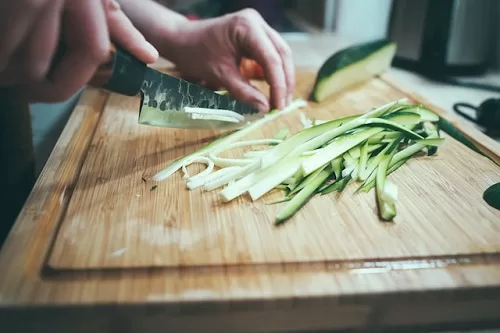
For a fresh and vibrant twist, serve your braised pork belly alongside a nest of zucchini noodles.
Spiralize fresh zucchini into thin strands, lightly sauté them until tender, and create a cozy nest for your tender pork belly.
The zucchini noodles provide a satisfying crunch and a lightness that balances the richness of the dish.
Kimchi Sidekick:
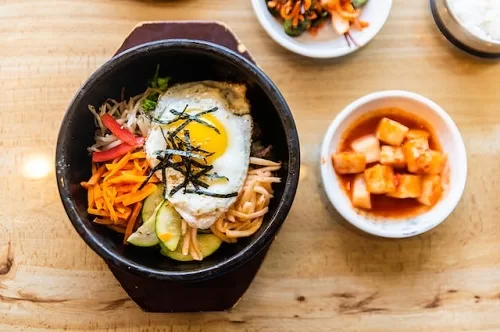
Embrace the Korean flavors and add a tangy kick to your meal by serving a side of kimchi.
The spicy and fermented cabbage pairs beautifully with the savory pork belly, creating a harmonious balance of flavors.
The probiotic-rich kimchi is not only delicious but also adds an extra health boost to your keto journey.
Keto Doenjang Braised Pork Belly
Ingredients
Equipment
Method
- Combine all ingredients except for the bok choy in a pot. Simmer for 45 minutes or until pork is tender.150 g Pork Belly, 30 g White Raddish, 20 g Ginger, 10 g Green Onion, ½ Tbsp Soybean Paste
- Add bok choy and simmer for another minute.50 g Bok Choy
- Serve whilst hot.
Video
Notes
Variations to Try
Mushroom Medley: Enhance the earthy flavors of the dish by adding a mix of mushrooms to the braise. Sauté a variety of mushrooms, such as shiitake, cremini, or oyster mushrooms, along with the pork belly. The mushrooms will soak up the rich flavors of the doenjang and infuse the dish with an extra layer of complexity.
Sesame Spin: Elevate the nutty undertones by incorporating some toasted sesame oil into the braising liquid. Add a drizzle of sesame oil towards the end of the cooking process to enhance the flavor profile and lend a delightful aroma to your Keto Doenjang Braised Pork Belly.
Leafy Greens: Amp up the nutrition by adding leafy greens to your braise. Experiment with greens like spinach or kale, adding them towards the end of the cooking time for a vibrant burst of color and nutrition.